
Ocean Freight Quote Checklist: 8 Charges and Conditions to Review
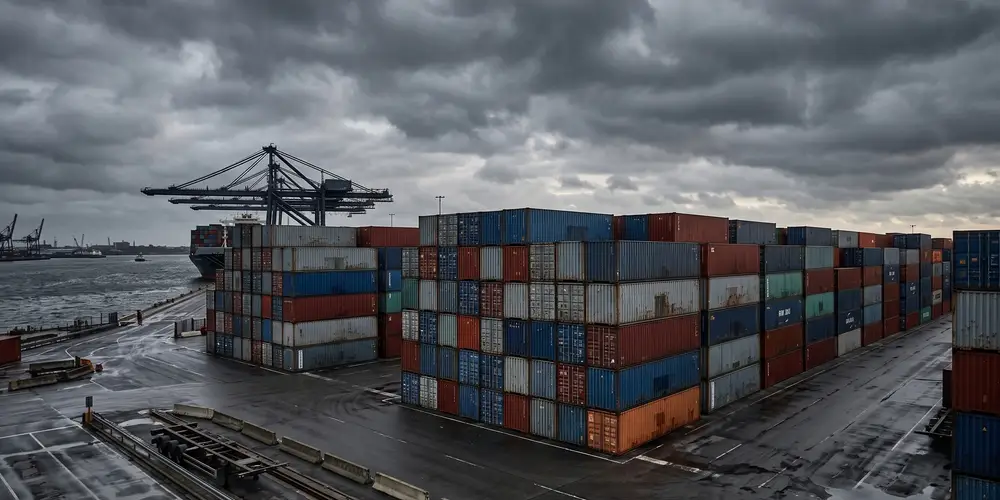
A low ocean rate is not automatically a low door-to-door cost. Quotes may cover different points in the shipment, use different cargo assumptions, or exclude destination services that another quote includes.
The solution is not to demand an impossible promise that no additional charge can ever occur. It is to compare the same written scope and disclose known assumptions and exceptions before booking.
1. China Pickup and Origin Handling
Confirm whether the quote includes supplier pickup, warehouse receiving, consolidation, export documentation, loading, and origin terminal or CFS charges. Multi-supplier orders may add separate pickup and storage costs.
2. LCL Minimums and CFS Handling
LCL cargo can have minimum charges plus receiving, consolidation, deconsolidation, and destination CFS fees. Compare the final origin-to-destination scope, not only a price per CBM.
Ask the provider to identify the minimum billable quantity, whether weight or measurement can control the charge, and how non-stackable, long, heavy, or oversized pieces are treated. Also confirm whether both origin and destination CFS services are included. “Ocean freight included” does not necessarily mean that warehouse receiving, deconsolidation, release, or local delivery is included.
3. Documentation and Filing
Ask whether bill of lading, release, security filing, customs brokerage, and other documentation charges are included. The required filings depend on mode and destination; for example, U.S. ISF relates to covered vessel cargo, not ordinary air freight.
4. Destination Port and Terminal Charges
Terminal handling, port, chassis, CFS, and release-related charges may be included, passed through, or billed separately. The quote should say where the quoted service ends.
5. Customs, Duties, and Taxes
Confirm who is the importer, who performs licensed customs business, and whether duty and tax amounts are included, estimated, advanced, or paid separately. Classification changes or customs decisions can alter the final amount.
6. Demurrage, Detention, and Storage
These charges depend on time and operational events. Ask what free time applies, who controls pickup and equipment return, and what happens after customs examination, congestion, document delay, or receiver unavailability.
These terms describe different events. Storage may apply while cargo remains at a terminal, CFS, or warehouse. Demurrage and detention can relate to container or equipment use under the applicable carrier and terminal terms. The quote should identify which party is coordinating release, pickup, unloading, and return rather than combining every delay under the word “storage.”
7. Final-Mile Accessorials
Postcode and address type matter. Possible conditions include remote area, residential delivery, appointment, liftgate, waiting, redelivery, limited truck access, inside delivery, manual unloading, or address changes.
Ask what the normal delivery point is and what the driver is expected to do. Liftgate service lowers suitable freight to accessible ground level; it does not automatically include hand unloading, moving cargo inside, installation, or waiting for an unprepared receiver. A missed appointment or inaccessible site can create storage and redelivery costs in addition to the truck charge.
8. Remeasurement and Cargo Changes
Quotes rely on submitted pieces, dimensions, weight, stackability, packaging, commodity, and value. Warehouse or carrier measurements can change chargeable volume, and undisclosed special cargo may require a different channel.
An early supplier estimate may describe the product rather than the final export packaging. Ask when the packed cargo will be measured, whether dimensions include pallets or crates, how irregular pieces are calculated, and whether a measurement record or warehouse photos can be provided. If the final figures change, request a revised cost breakdown before booking.
Our completed 6.5 CBM LCL shipment from China to Florida records the final measured volume and protective wooden packaging used for fragile pieces. It demonstrates why shipment planning should use packed cargo rather than product-only estimates; it does not publish or promise a standard LCL price.
Fixed Scope vs. Conditional Cost
A charge is not “hidden” merely because it depends on an event that has not happened. The important distinction is whether the condition and responsibility were disclosed before booking.
| Put in the base written scope | Identify as an assumption or conditional item |
|---|---|
| Agreed pickup locations and warehouse services | Additional pickup or storage caused by a supplier delay |
| Main freight mode and service endpoint | Rate or equipment change after validity expires |
| Planned customs-brokerage arrangement | Examination, agency review, reclassification or additional documents |
| Known duty and tax treatment or calculation basis | Difference caused by corrected value, origin or classification |
| Destination postcode and stated address type | Remote, residential or limited access not disclosed initially |
| Requested appointment, liftgate or delivery service | Waiting, refused delivery, address change or redelivery |
| Submitted packed pieces, weight and dimensions | Warehouse or carrier remeasurement |
The written quote should state its validity period and what information would trigger requoting.
Compare Quotes Side by Side
| Scope | Quote A | Quote B |
|---|---|---|
| China pickup | Confirm | Confirm |
| Origin handling | Confirm | Confirm |
| Main ocean freight | Confirm | Confirm |
| Customs and duty treatment | Confirm | Confirm |
| Destination handling | Confirm | Confirm |
| Final delivery | Confirm | Confirm |
| Conditional charges | Confirm | Confirm |
| Validity period | Confirm | Confirm |
Ocean Freight Quote Questions Importers Ask
Why did the quote change after the factory finished packing?
The original price may have used estimated dimensions, weight, packaging, stackability, cargo-ready date, or destination conditions. Ask the provider to show which assumption changed and how that change affects the cost.
Is a low price per CBM enough to compare LCL quotes?
No. Compare minimums, chargeable measurement, origin and destination CFS, documents, customs, duties, delivery and accessorial conditions through the same endpoint.
Can a door-to-door quote still have extra charges?
Yes, if a disclosed conditional event occurs—for example customs examination, remeasurement, storage, waiting, address change, or failed delivery. “Door-to-door” describes endpoints; the written scope must explain inclusions, assumptions, and exceptions.
Use the freight quote checklist and our FCL vs. LCL guide before comparing offers. For a shipment-specific scope, request a detailed quote.